Climares
Climate Resilience in Diverse African Contexts:
Co-Creating Knowledge∞Action networks
Climares is a consortium of 7 African, 7 Dutch universities, and societal partners that works with dozens of researchers and actors in DRC, Mozambique, Morocco, Senegal and Uganda to investigate and address climate threats for at-risk populations in a range of governance and socioeconomic contexts in these countries.
Climares focuses on agricultural smallholders, fisherfolk, urban outdoor workers, pastoralists and displaced people. All these groups have high vulnerability to climate change. Moreover, these groups represent a large share of African populations. Climares supports these populations to know how weather patterns and climate change will impact their – already precarious or threatened – livelihoods and solicit appropriate responses. Through participatory digital and in person research, co-created climate storylines and advocacy methods, Climares enables that weather and climate information becomes meaningful and actionable.
Climares investigates climate threats for at-risk populations in a variety of climatic zones, socioeconomic contexts, and institutional climate response conditions. It aims to support the agency and resilience of communities by creating and supporting Knowledge∞Action (K∞A) networks. These networks are composed of all stakeholders that have an interest in the resilience of a population group, including affected communities.
What is Climares about?
There are many initiatives – through weather stations, satellite imaging and machine learning – to improve climate data availability in Africa. What remains a challenge is to know what the changing weather will do for at-risk populations and how early action and adaptation can effectively build on people’s resilience needs and strategies.
Climate change works through, and often multiplies, other risks that people face. This complicates early action and adaptation. To deal with this, Climares works with specific population groups that have problems and interests in common. These are smallholders, fisherfolk, pastoralists, urban precarious construction workers and street vendors, as well as displaced populations. These groups have often formed community-based organizations to advance their interests, and these will be key partners for Climares.
Knowledge∞Action networks
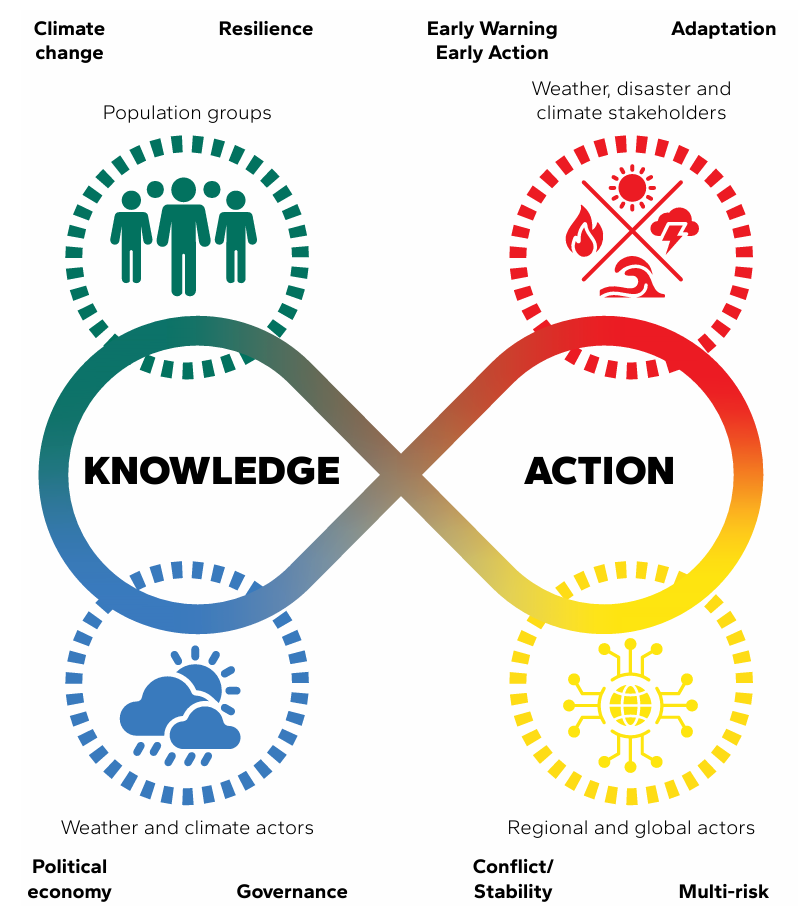
Governments, especially at the local level, usually do not have the resources to protect populations against climate change. At-risk communities are too vulnerable to cope by themselves, despite their local knowledge and resilience strategies. Dealing with climate change therefore requires the involvement of multiple stakeholders. In the case of smallholders, for example, stakeholders may include commercial parties like seed providers and traders, NGOs developing projects to improve agriculture, research institutes and the ministry of agriculture. Climares aims to organize and support these actors in K∞A networks that will become vehicles for the needs-based co-production of weather and climate information services and translate this information into action for better resilience strategies.
Although stakeholders have varied interests and power positions, they share an interest in the population group’s resilience which provides an incentive to participate in a K∞A network for joint learning, analysis, planning, resource mobilization and advocacy. By working across five countries and with five populations, Climares will generate knowledge that is relevant for other contexts and populations. By working with 11 K∞A networks Climares will yield insights in the factors that help or hinder such networks, which will lead to a model approach that can be applied beyond the areas where Climares works.
How will Climares work with Knowledge∞Action networks?
Climares will have a duration of 6 years and is divided into three phases. The first two-year phase focuses on community-based research, the formation of K∞A networks and the mapping of existing weather and climate information services and capacities. Community-based research will combine participatory in-depth
research with the use of digital engagement platforms. These ensure that the voices and insights of communities will be predominant throughout Climares and that the population groups will be the main agents in the design of early action and adaptation. In this, Climares will be sensitive to diversities and inequalities found within different population groups, for example on the basis of gender, age, and access to resources.
In the second two-year phase, Climares will continue to work with the communities and K∞A networks and will strengthen the abilities of weather and climate actors to support communities with adequate data. Different data sets will be combined for the co-creation of climate storylines. Climate change scenarios usually provide several possible outcomes of how the weather will change. Climate storylines translate these outcomes in what the changing weather will do and how this can lead to action.
The final phase of Climares will be dedicated to making the K∞A networks self-reliant, refine improved weather information services and most importantly generate action to strengthen the resilience strategies of the population groups. Throughout Climares, a dedicated working group will ensure that relevant information from global and international platforms will be available for the K∞A networks while, vice-versa, insights from Climares will be brought to these platforms. There will be two Climares conferences organized around global or international climate events
Work Package details
Work Package 1
Coordination, Integration & Communication
Leaders
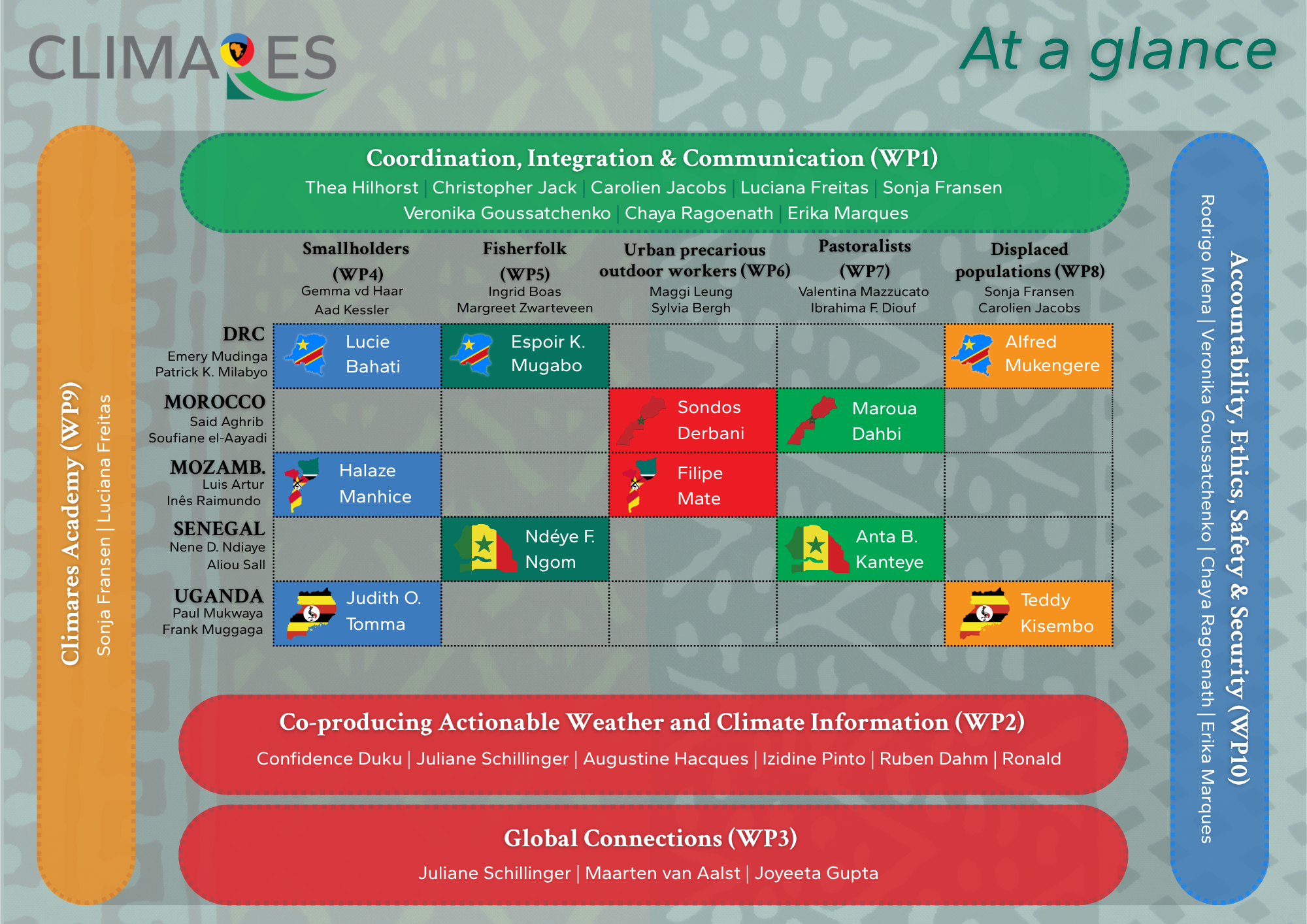
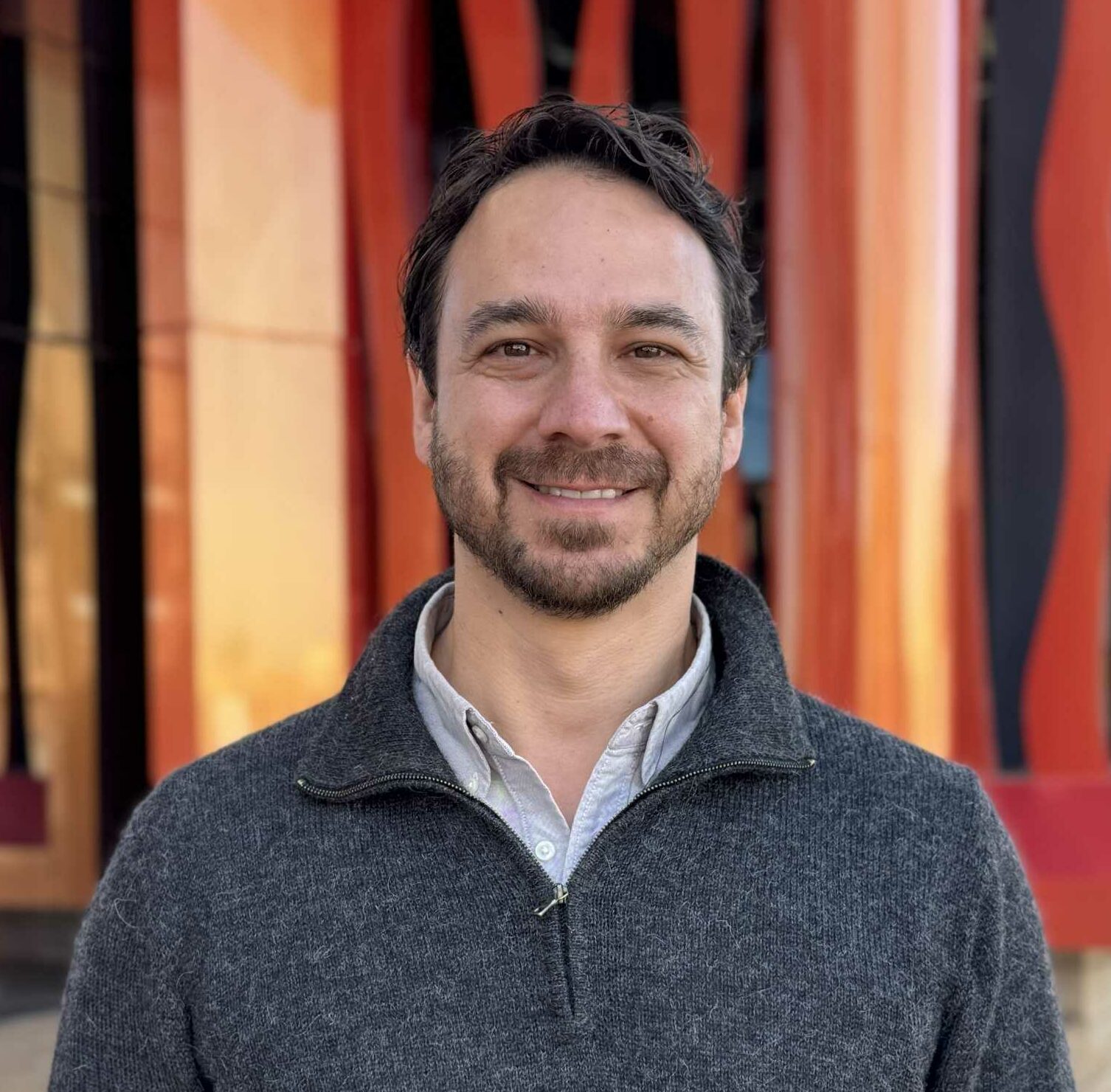
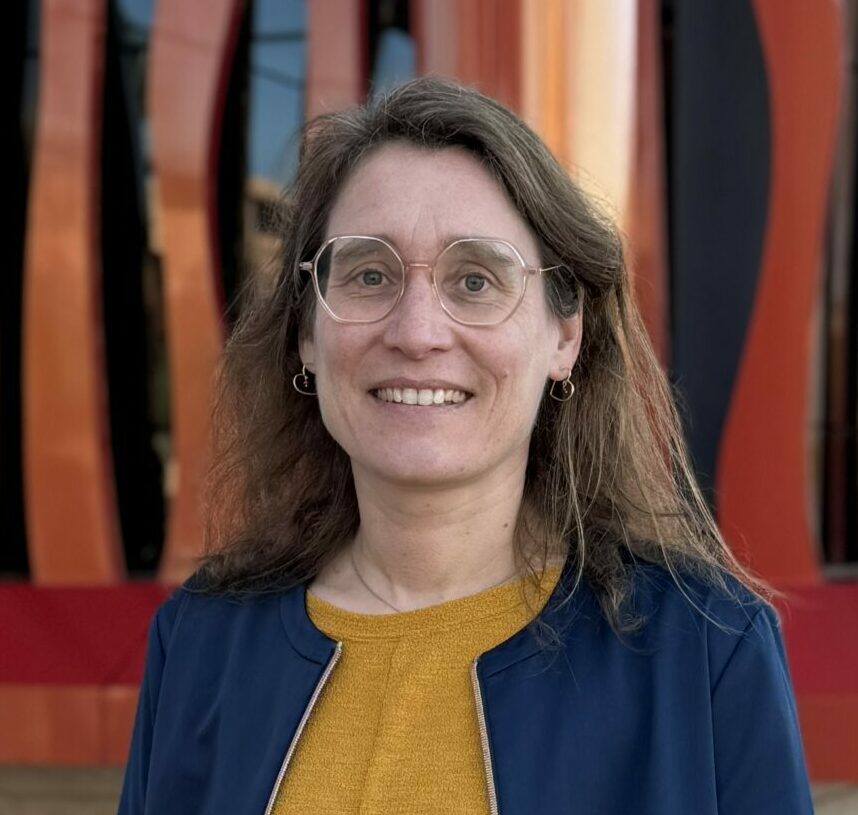
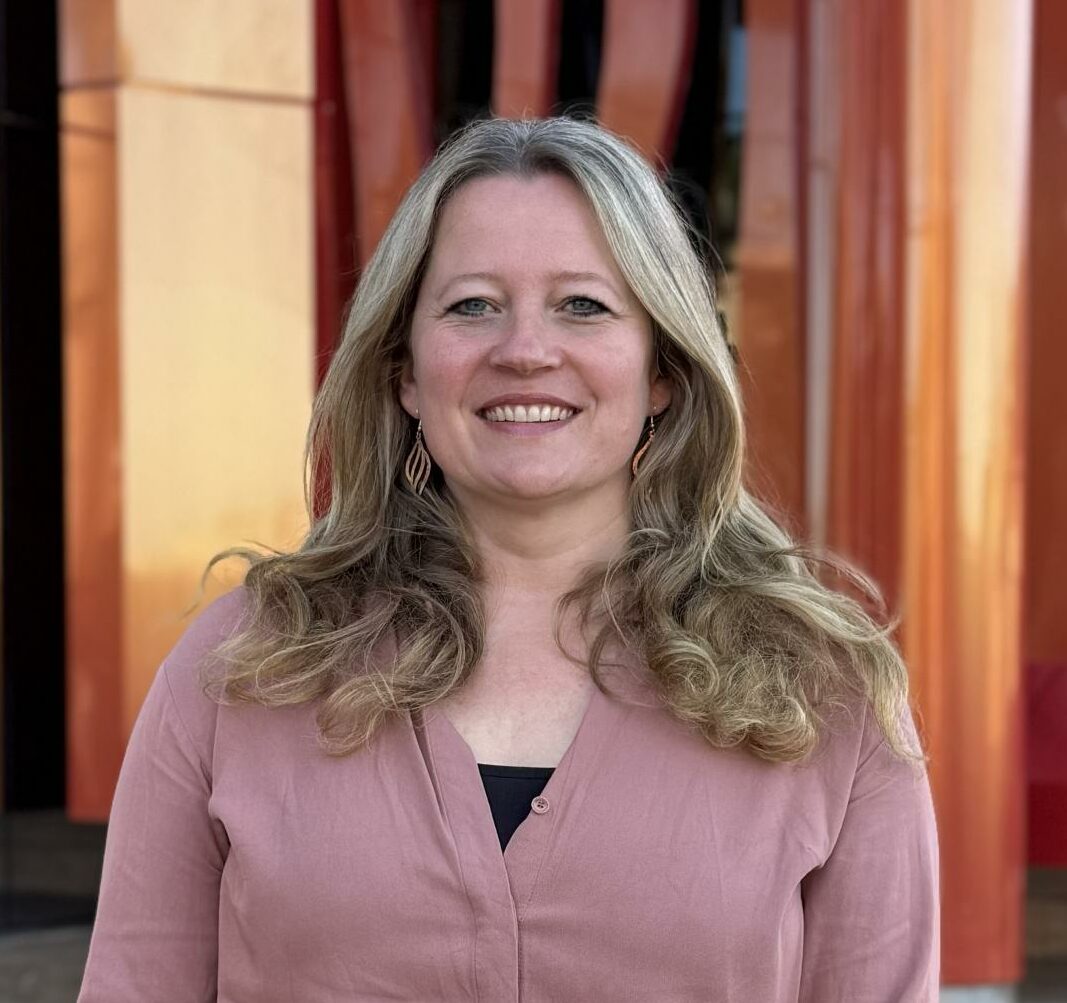
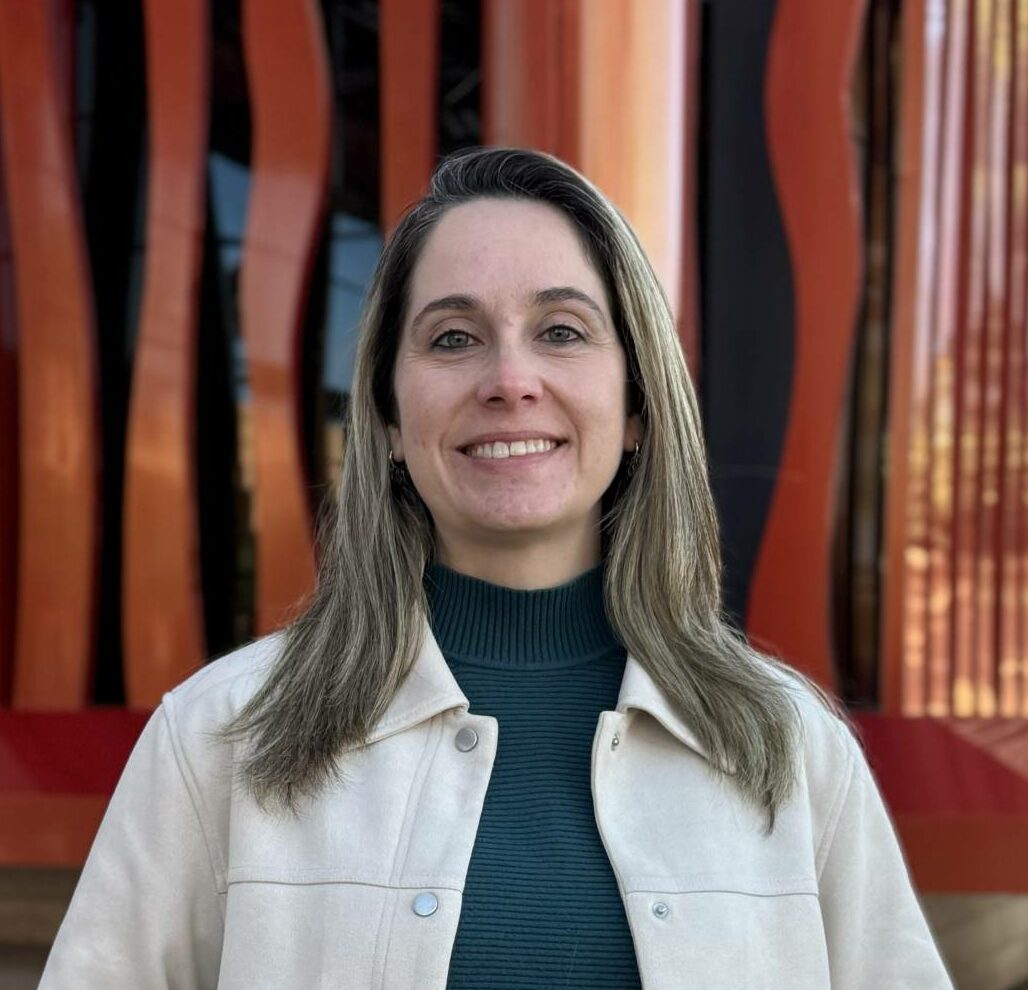
Thea Hilhorst, Christopher Jack
Team
Carolien Jacobs (Leiden University), Sonja Fransen (ISS), Luciana Freitas (ISS), Rodrigo Mena (ISS), Chaya Raghoenath (ISS), Veronika Goussatchenko (ISS), Erika Marques (ISS).
Description
WP 1 ensures the scientific quality of the project implementation consistency with Climares’ objectives. It coordinates communication between the Management Committee, Steering Committee, Climares Board, and IAC. WP 1 also addresses any questions, problems, or frictions within this complex consortium. Climares relies on the integration of all WPs, and WP 1 supports these links. WP 1 is the hub for Climares’ analytical and impact coordination and communication. WP 1’s work follows the CITE Climares core values and is geared towards co-creation and collaboration.
Work Package 2
Co-producing Actionable Weather & Climate Information
Leaders
Confidence Duku (WENR)
Members
Augustine Hacques (Upinion), Izidine Pinto (KNMI), Juliane Schillinger (Climate Centre), Mikki Korodimou (Climate Centre), Ruben Dahm (Deltares)
PhD Researchers
Ronald Ssembajwe (WENR)

Description
WP 2 works with Consortium Partners and local stakeholders in the specified population groups (WPs 4–8) on the interrelated objectives of understanding the information and capacity requirements of population groups and National Hydro-Meteorological Services (NHMSs) for anticipatory and adaptation action; co-developing an impact-assessment toolbox to support impact-based forecasting; and co-creating climate risk storylines that integrate diverse knowledge and lived experience of climate risk and future risks.
Work Package 3
Global Connections
Leaders
TBC
Members
Maarten van Aalst (KNMI), Joyeeta Gupta (UvA), Juliane Schillinger (Climate Centre)
Description
Climares focuses primary on localized K∞A chains in the five selected African countries, but there are important connections to global climate policy dialogues in terms of both adaptation and mitigation, as well as addressing loss and damage. Relevant links between the global and local climate arenas include the need to 1) ensure climate scenarios based on anticipated changes in emissions, stabilization scenarios, and expected impacts at global level accurately predict local impacts; 2) see how local adaptation measures can be linked to global discourses, technologies, and approaches to adaptation, including funding for adaptation; 3) see how local residual damages can be linked to global discussions on loss and damage; and 4) align adaptation and mitigation objectives at the local level, which is key to the advocacy work of Climares.
Work Package 4
Smallholders’ Weather- and Climate-Related K∞A Networks
Leaders
Gemma van der Haar (WUR), Aad Kessler (WUR)
Country Coordinators
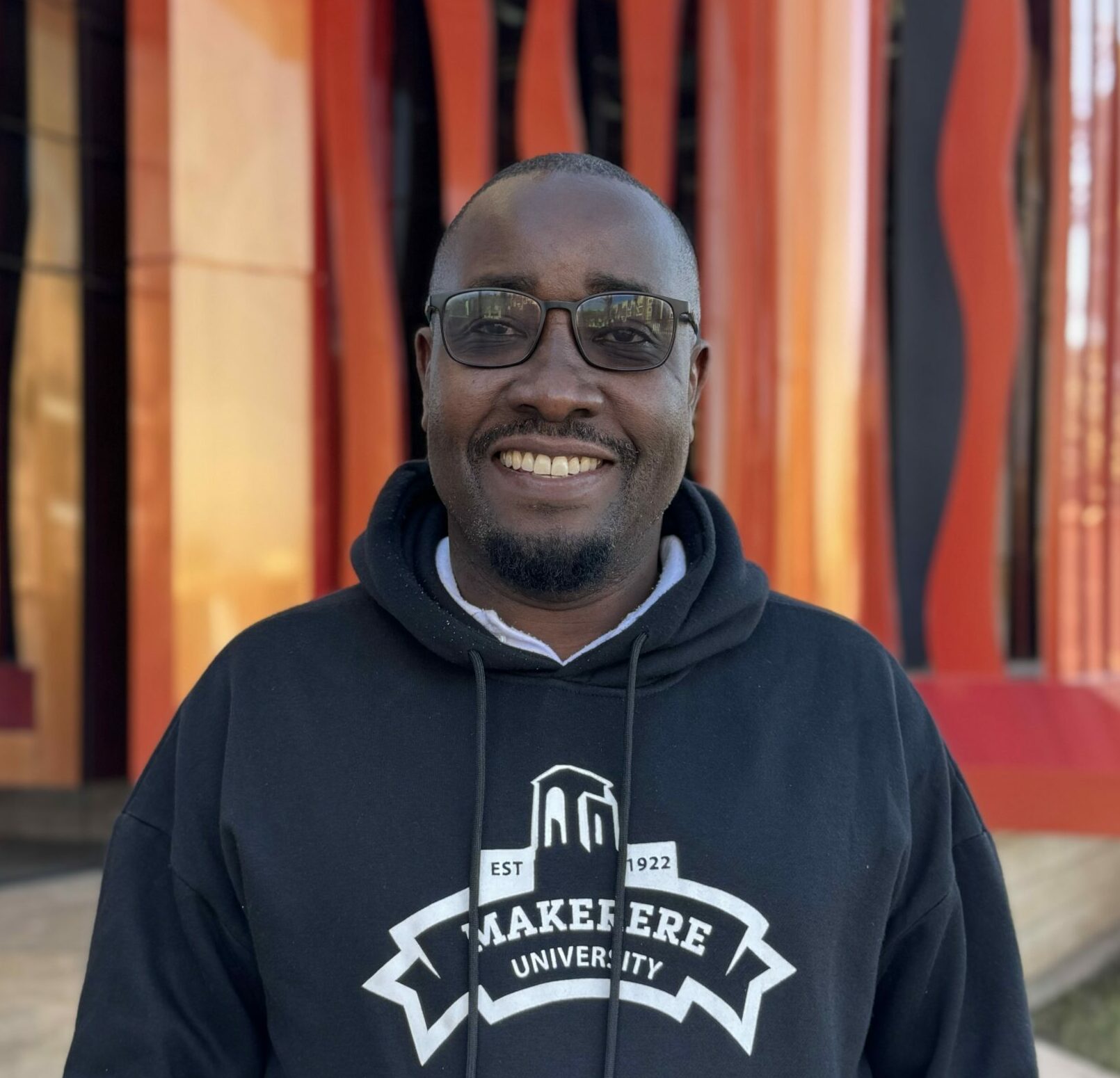
Frank Mugagga (Makerere University), Luis Artur (UEM), Emery Mudinga (ISDR-Bukavu)
PhD Researchers
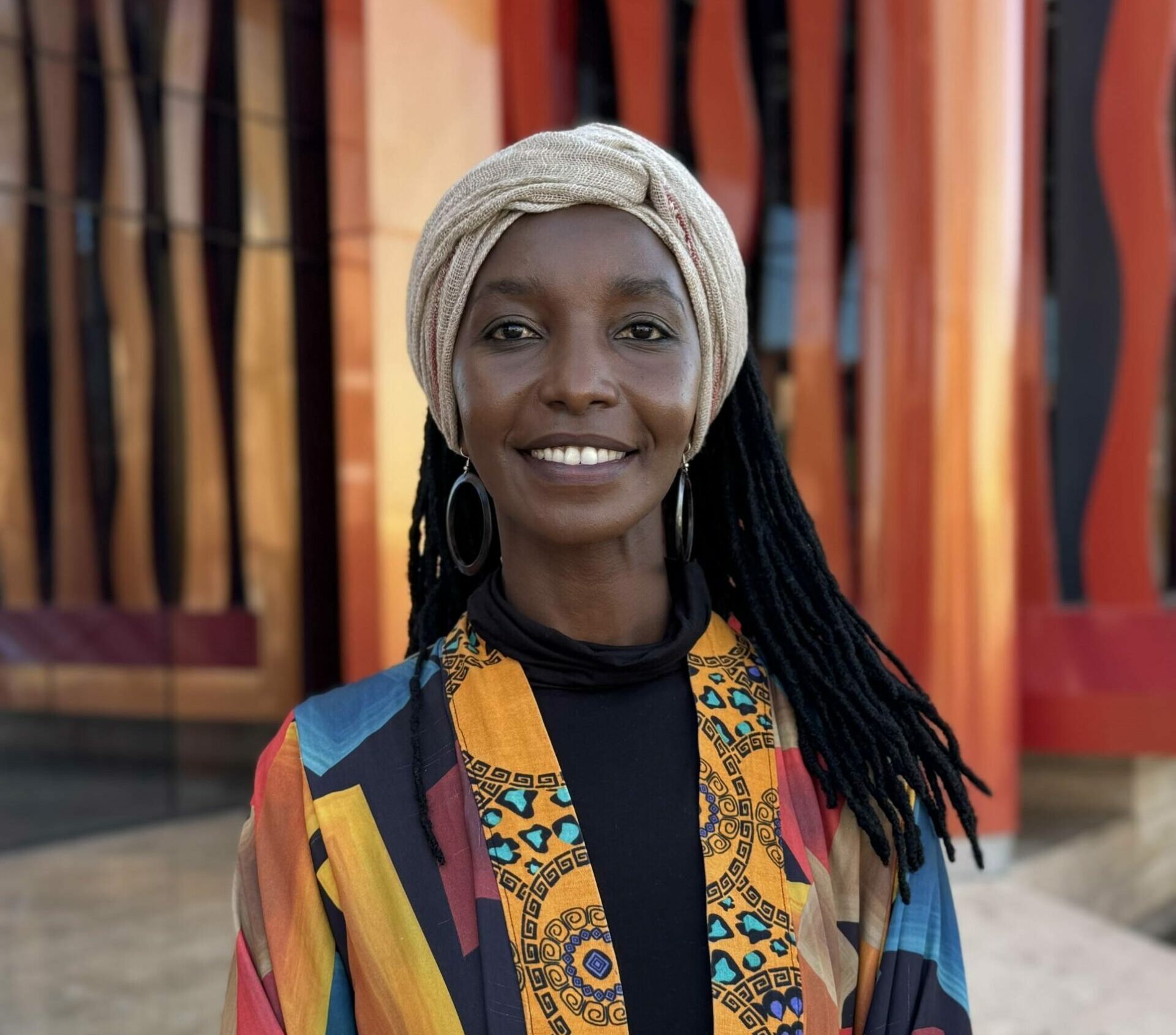
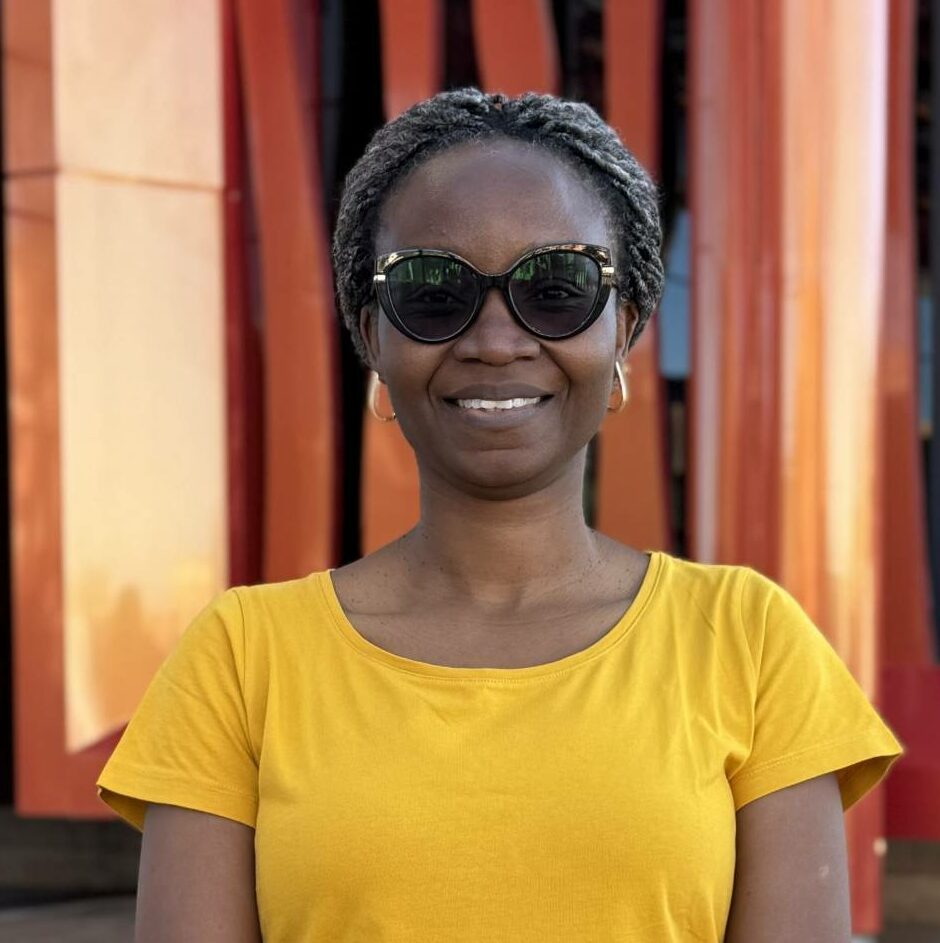
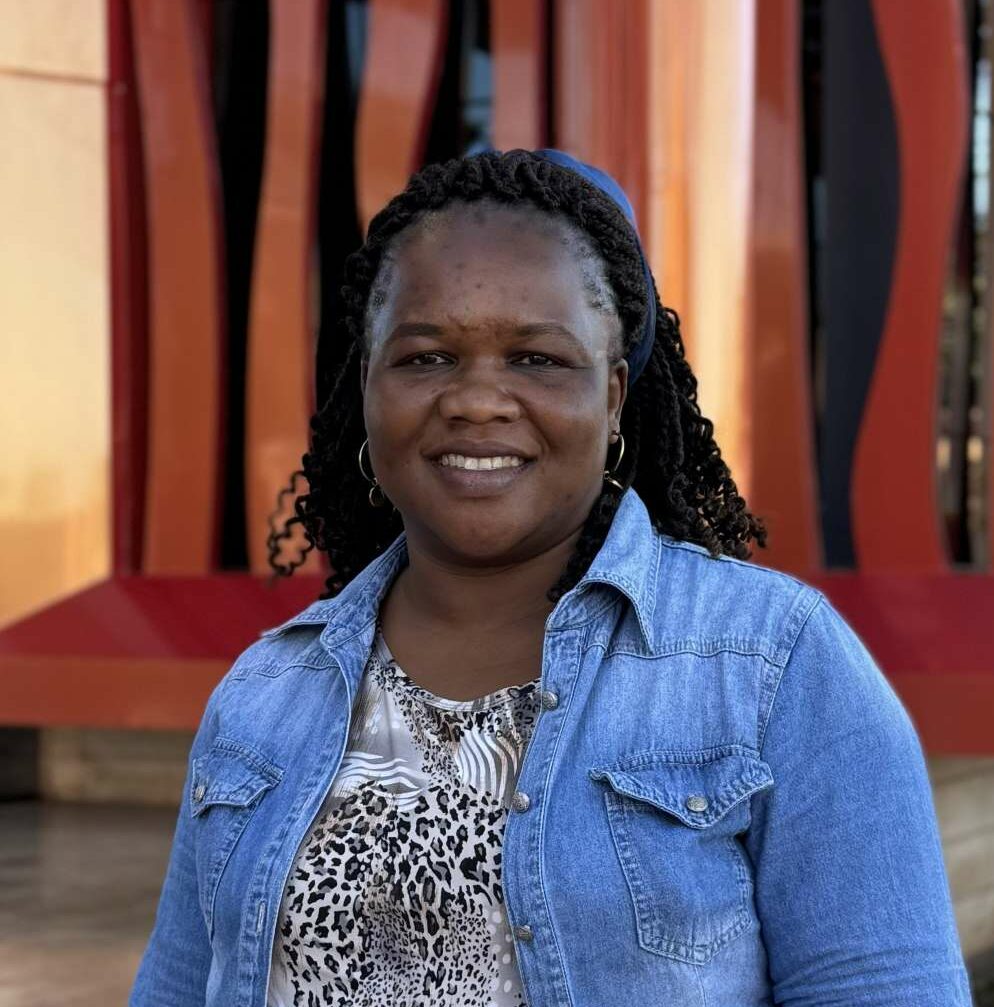
Lucie Bahati (DRC), Halaze Manhice (Mozambique), Judith O. Tomma (Uganda)
Description
Population group and case-countries: Smallholders in Uganda, Mozambique, and DRC
WP 4 aims to co-develop, strengthen, and assess K∞A chains and resilience strategies of smallholders in relation to their experienced climate-related and intersecting threats and uncertainties. Smallholder farming, a key livelihood strategy for many in Africa, is under severe stress (IPCC (2019). Both food and cash crops are threatened by erratic rainfall patterns and extreme weather events, resulting in increased crop failure risk. Fertile land is lost to intensified erosion, floods, and landslides. Though it can absorb many shocks (Berrang-Ford, L., Siders, A. R., Lesnikowski, A., Fischer, A. P., Callaghan, M. W., Haddaway, N. R., ... & Abu, T. Z. (2021), smallholder agriculture in Africa struggles to adapt given the rate and intensity of climate change. Lack of access to timely and accurate data is a critical factor hampering adaptation (Trisos, C. H., Adelekan, I. O., Totin, E., Ayanlade, A., Efitre, J., Gemeda, A., Kalaba, K., Lennard, C., Masao, C., Mgaya, Y., Ngaruiya, G., Olago, D., Simpson, N. P., & Zakieldeen, S. (2022)). Smallholders have no access to official weather forecasts, or find them too generic and unreliable. Compounding factors such as land fragmentation, insecure land tenure (especially for women), adverse market conditions, suboptimal economic policies, and, in some cases, violent conflict, further undermine smallholders’ capacity to adapt (Shackleton, S., Ziervogel, G., Sallu, S., Gill, T., & Tschakert, P. (2015)). WP 4 focuses on cash crops, as important ‘engines’ in diversified rural livelihoods that are also key to national economies. The three countries of focus provide a spectrum of climatic and governance contexts for comparative analysis.
Work Package 5
Fisherfolk’s Weather- and Climate-Related K∞A Networks
Leaders
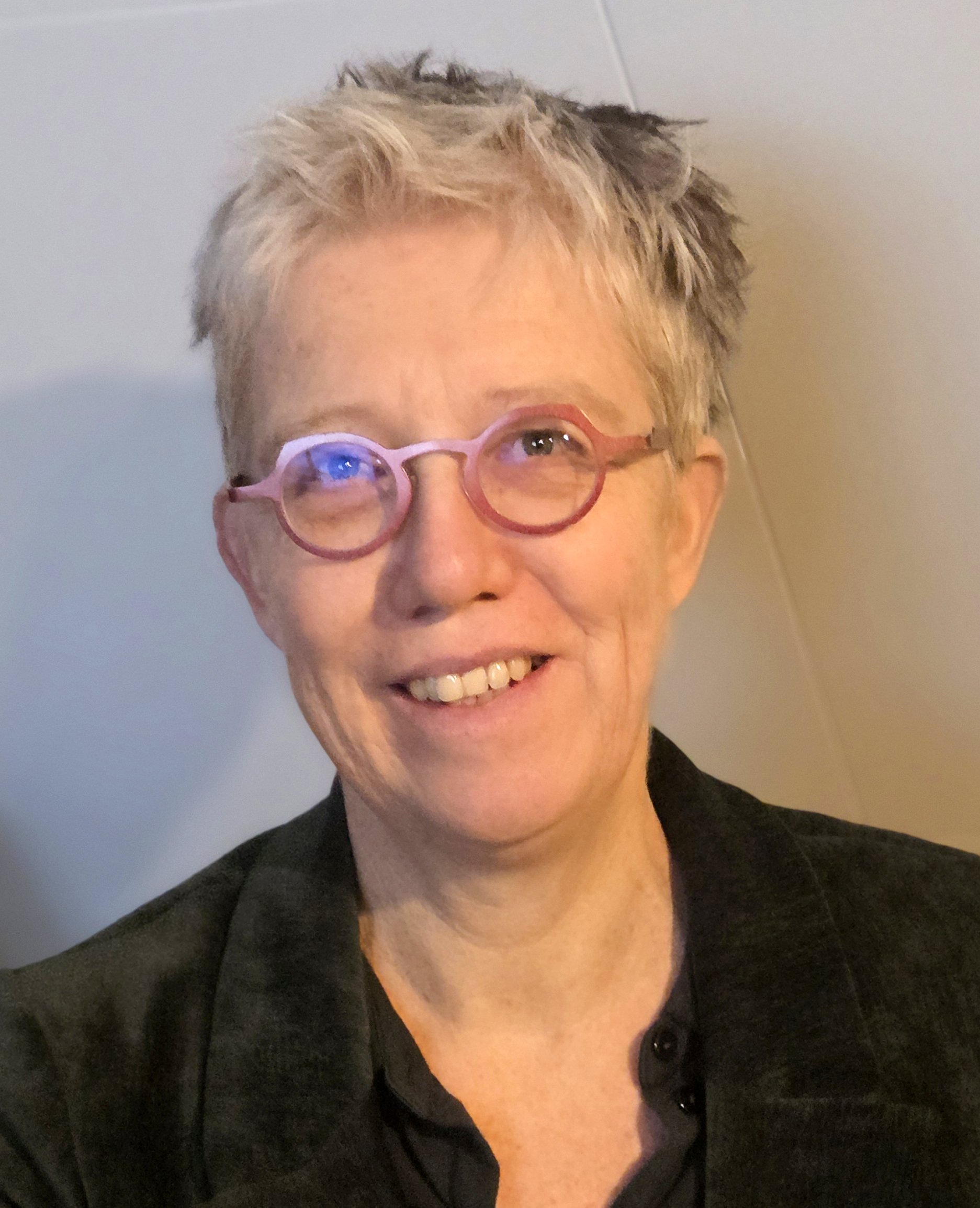
Ingrid Boas (WUR), Margreet Zwarteveen (IHE-Delft)
Country Coordinators
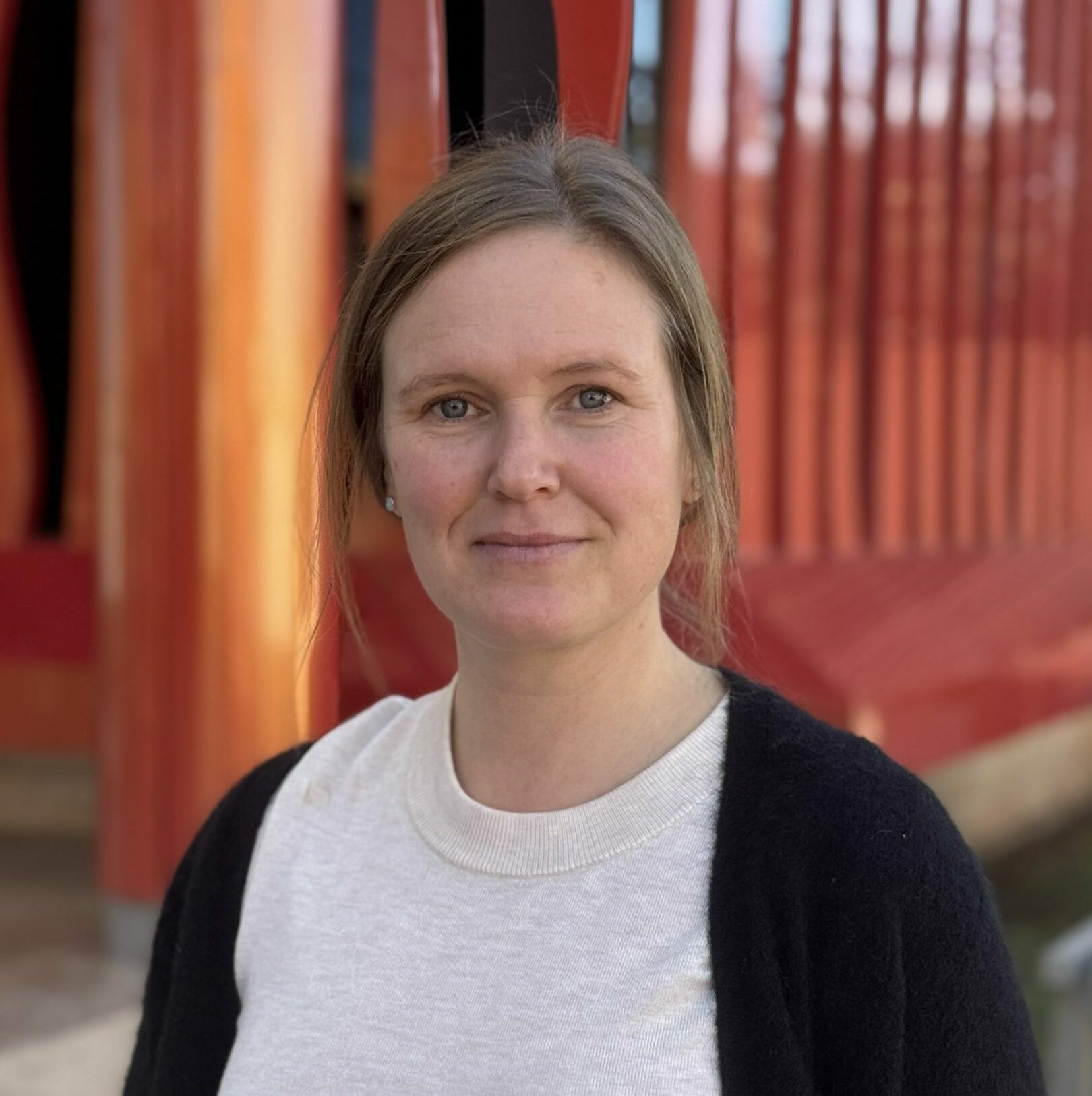
Aliou Sall (CREDETIP), Emery Mudinga (ISDR-Bukavu)
Members
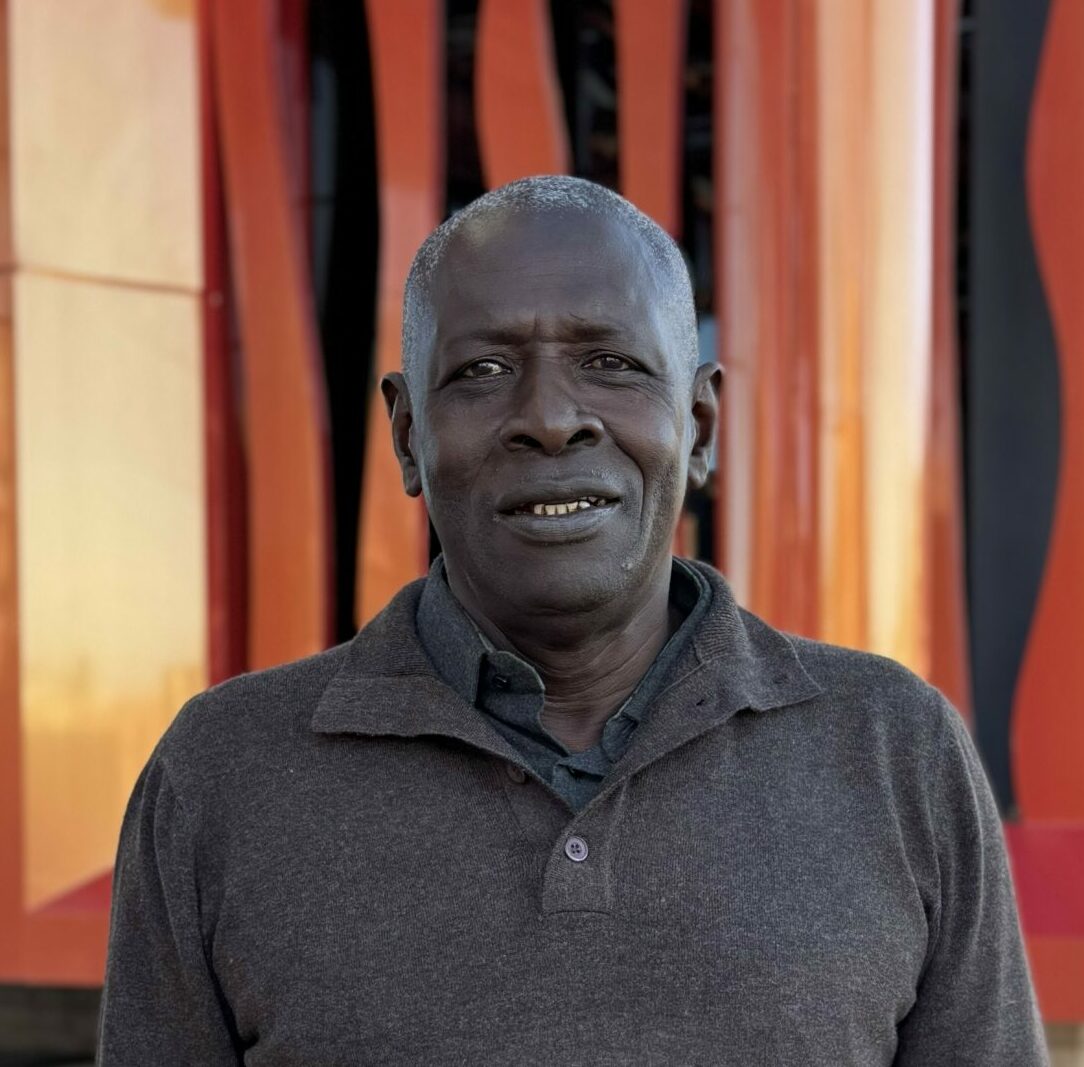
Ndickou Gaye (UCAD)
PhD Researchers
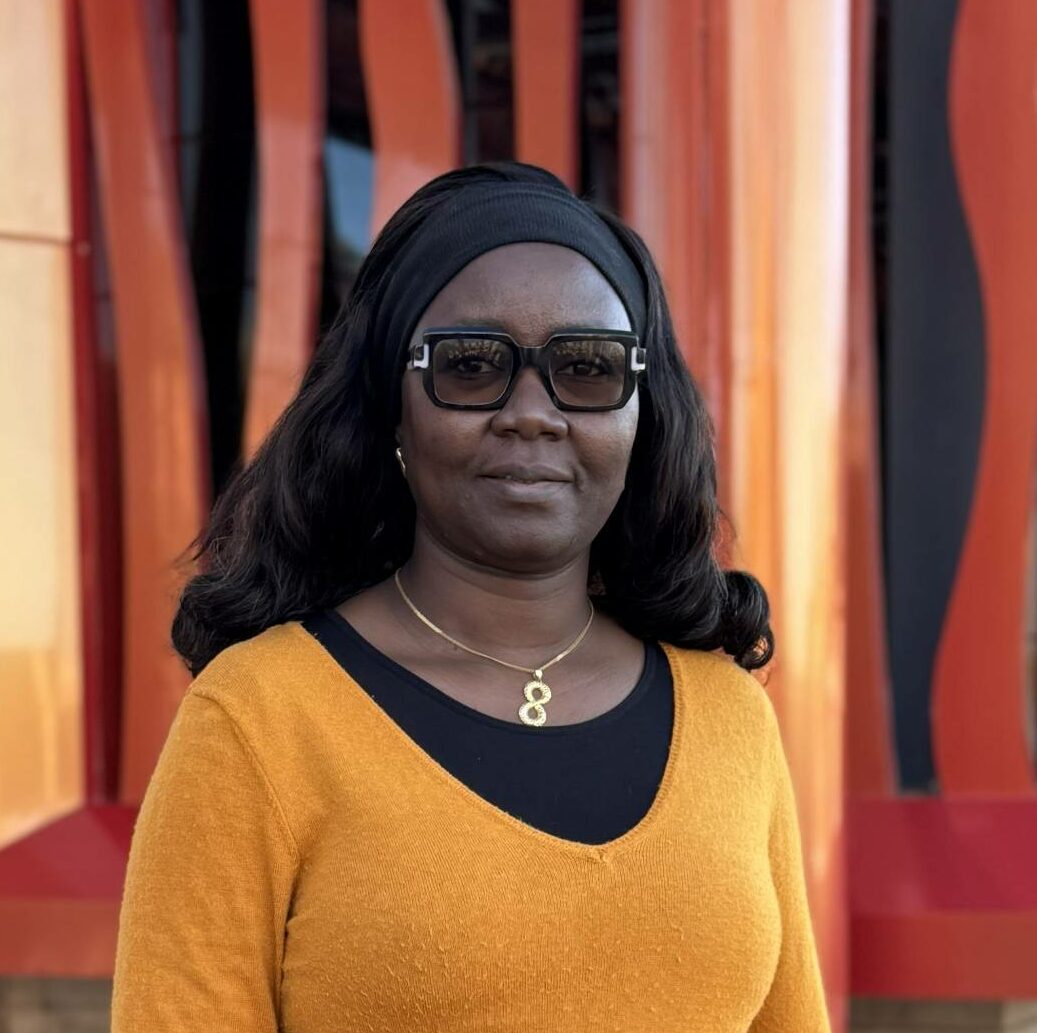
Espoir Kulimushi Mugabo (DRC), Ndéye Fatou Ngom (Senegal)

Description
Population group and case-countries: Fisherfolk in Senegal and DRC
WP 5 aims to co-develop, strengthen, and assess K∞A chains and resilience strategies of small-scale fisherfolk (SSF) in relation to their experienced climate-related and intersecting threats and uncertainties. SSF communities in Africa are economically and politically marginalized and at risk of climate change (Dias, A.C.E., Armitage, D., Nayak, P.K., Akintola, S.L., Arizi, E.K., Chuenpagdee, R., Das, B.K., Diba, S.A., Ghosh, R., Isaacs, M, Islam, G., Kane, A., Li, Y., Manase, M.M., Mbaye, A.,. Onyango, P., Pattanaik, S. Sall, A., et al. (2023)). SSF are characterized by low-capital fishing methods, organized around marine or inland fishing involving both men and women. Activities include fish processing, trading, and selling activities with essential contributions to local economies and food security. On average, SSF earn < US$1 per day and live in vulnerable settlements highly exposed to climate impacts. These communities hold much knowledge of the environment and ecosystems where they reside, live, and work but remain underrepresented in (inter)national policymaking and debates on conservation and climate resilience.
Work Package 6
Urban Precarious Outdoor Workers’ Weather- and Climate-Related K∞A Networks
Leaders
Maggi Leung (UvA), Sylvia Bergh (ISS)
Country Coordinators
Said Aghrib (UCA), Inês Macamo Raimundo (UEM)
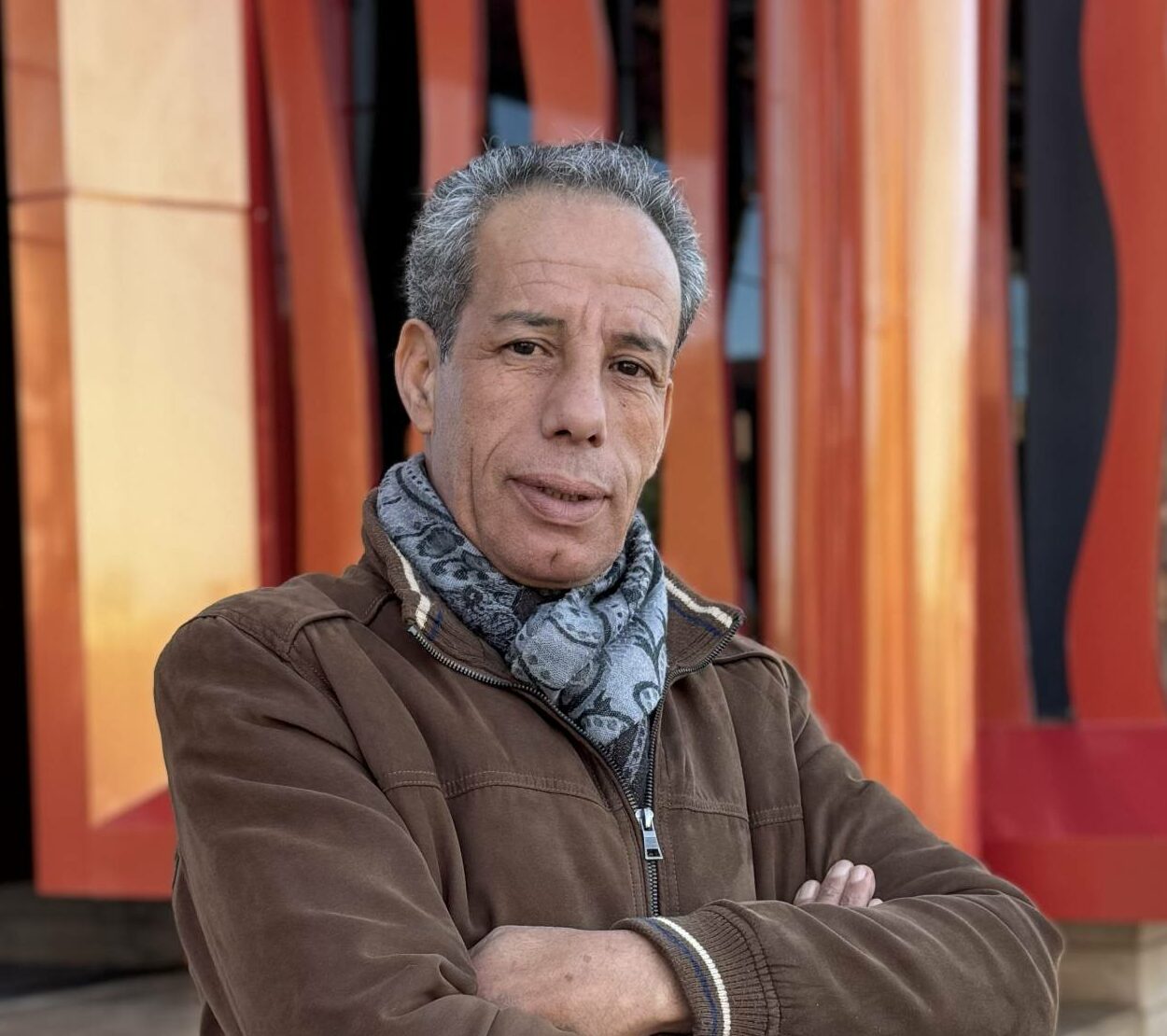
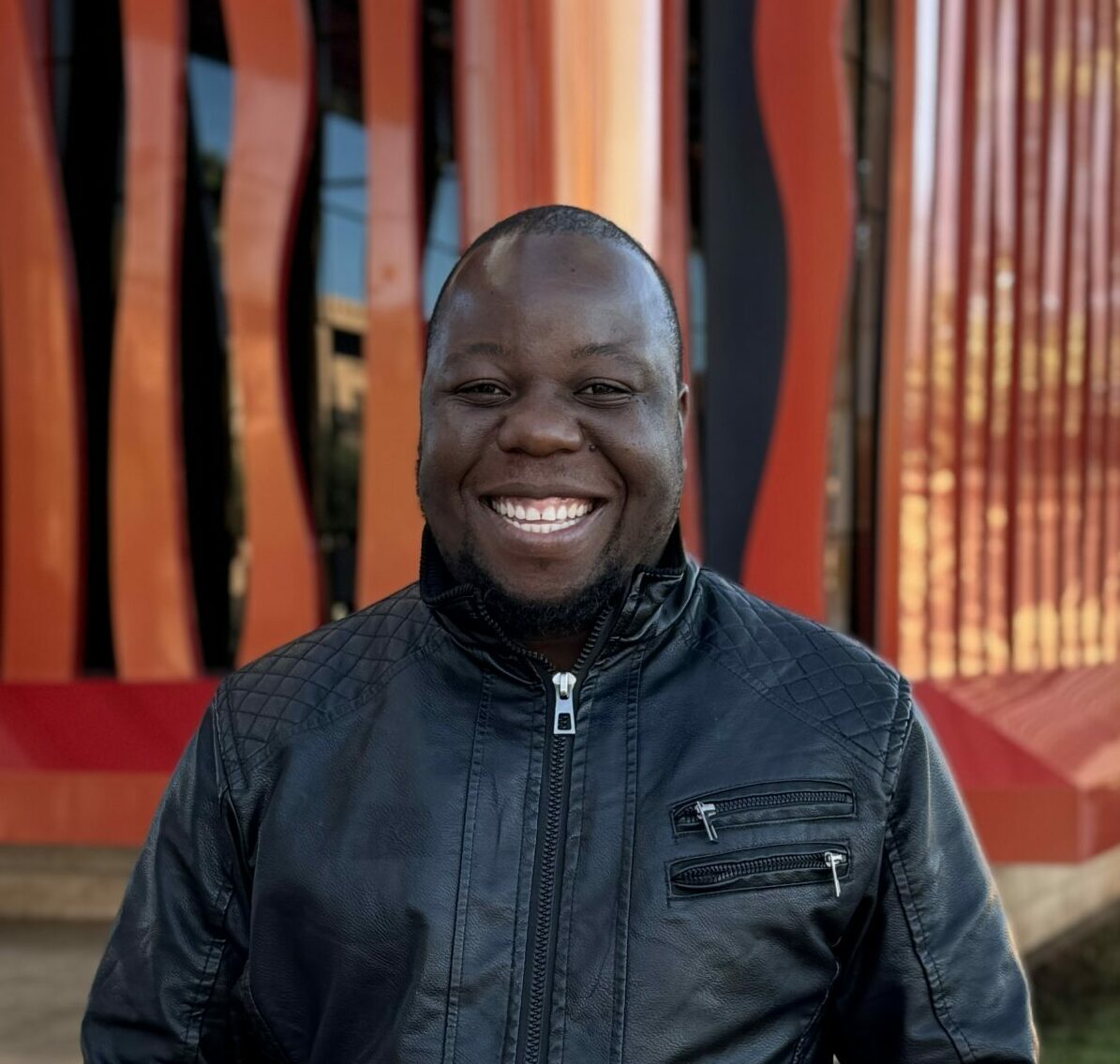
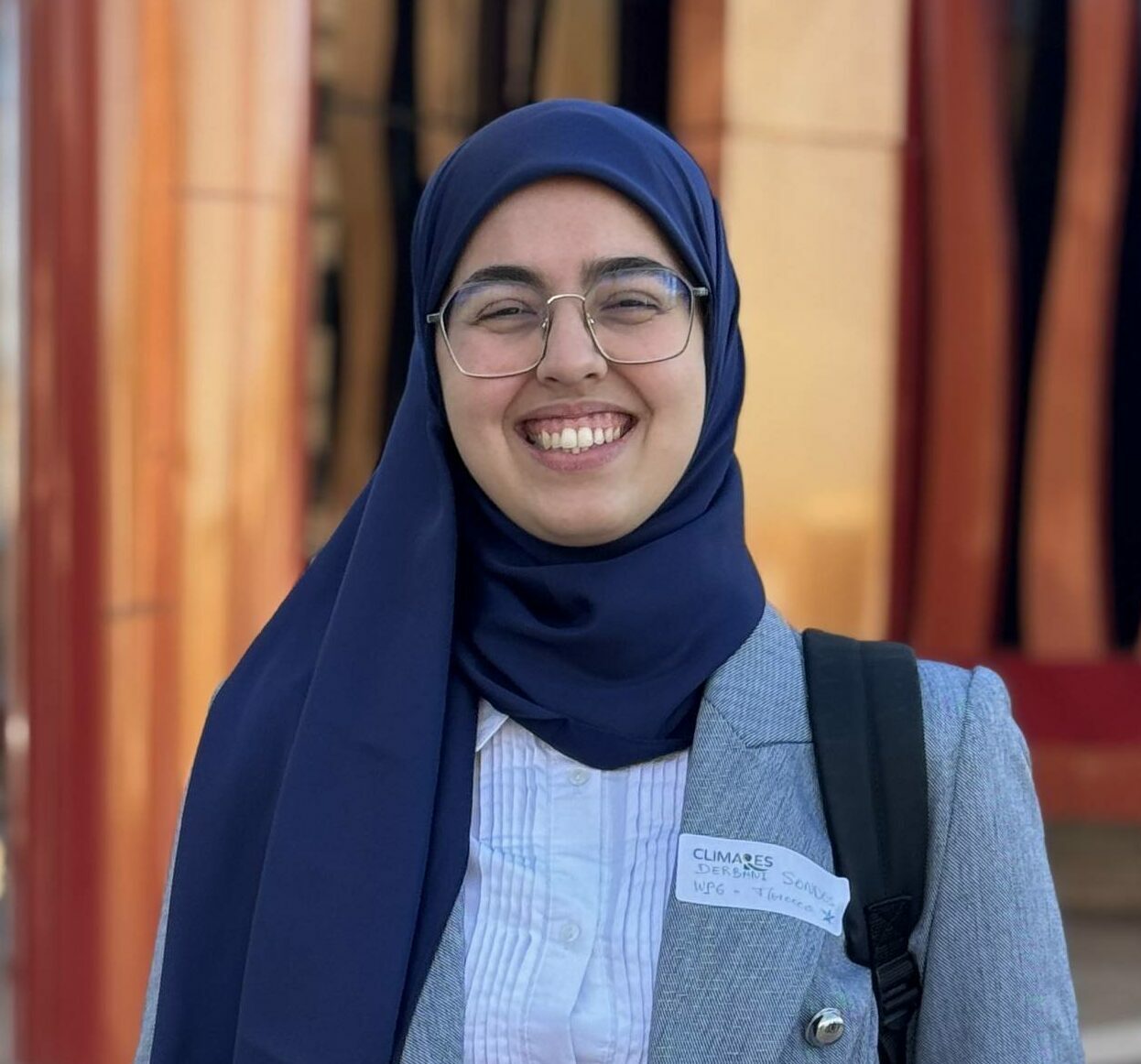
PhD Researchers
Sondos Derbani (Morocco), Filipe Mate (Mozambique)
Description
Population group and case-countries: Urban precarious workers in Morocco and Mozambique
WP 6’s objective is to co-develop, strengthen, and assess K∞A chains and resilience strategies of urban precarious outdoor workers in relation to their experienced climate-related and intersecting threats and uncertainties. Precarious labour is an important source of livelihoods. Precarious labour is characterized by employment instability and insecurity, limited worker power and rights, and poor employment conditions and prospects (Laliberte Rudman, D., Larkin, S., Fernandes, K., Nguyen, G., & Aldrich, R. (2023)). Precarious labour is a significant challenge in urban Africa, where at least 76% of workers rely on informal employment for their family’s subsistence. Many work outdoors (e.g. selling goods and providing services), facing intersecting and cascading challenges associated with continuous exposure to harsh weather conditions, including extreme temperatures, dwindling access to water, and mobility barriers posed by flooding. Such challenges will worsen in the future, as the social groups most often relegated to precarious employment (e.g. the youth, older adults, and migrant workers) are also those most vulnerable to climatic threats. Business disruptions caused by climatic hazards are expected to have serious implications for poverty in the region, with adverse effects likely to be disproportionately felt by those who lack access to institutional support systems and safety nets. However, little is known about how outdoor workers adapt to and cope with climate change and how they can be supported. More insight is urgent because precarious labour, given its informal status, is often sidelined in national or local heat-health action plans (if these exist at all) and employee protection measures imposed on businesses in the formal sector.
Work Package 7
Pastoralists’ Weather- and Climate-Related K∞A Networks
Leaders
Valentina Mazzucato (Maastricht University), Ibrahima Faye Diouf (UCAD)
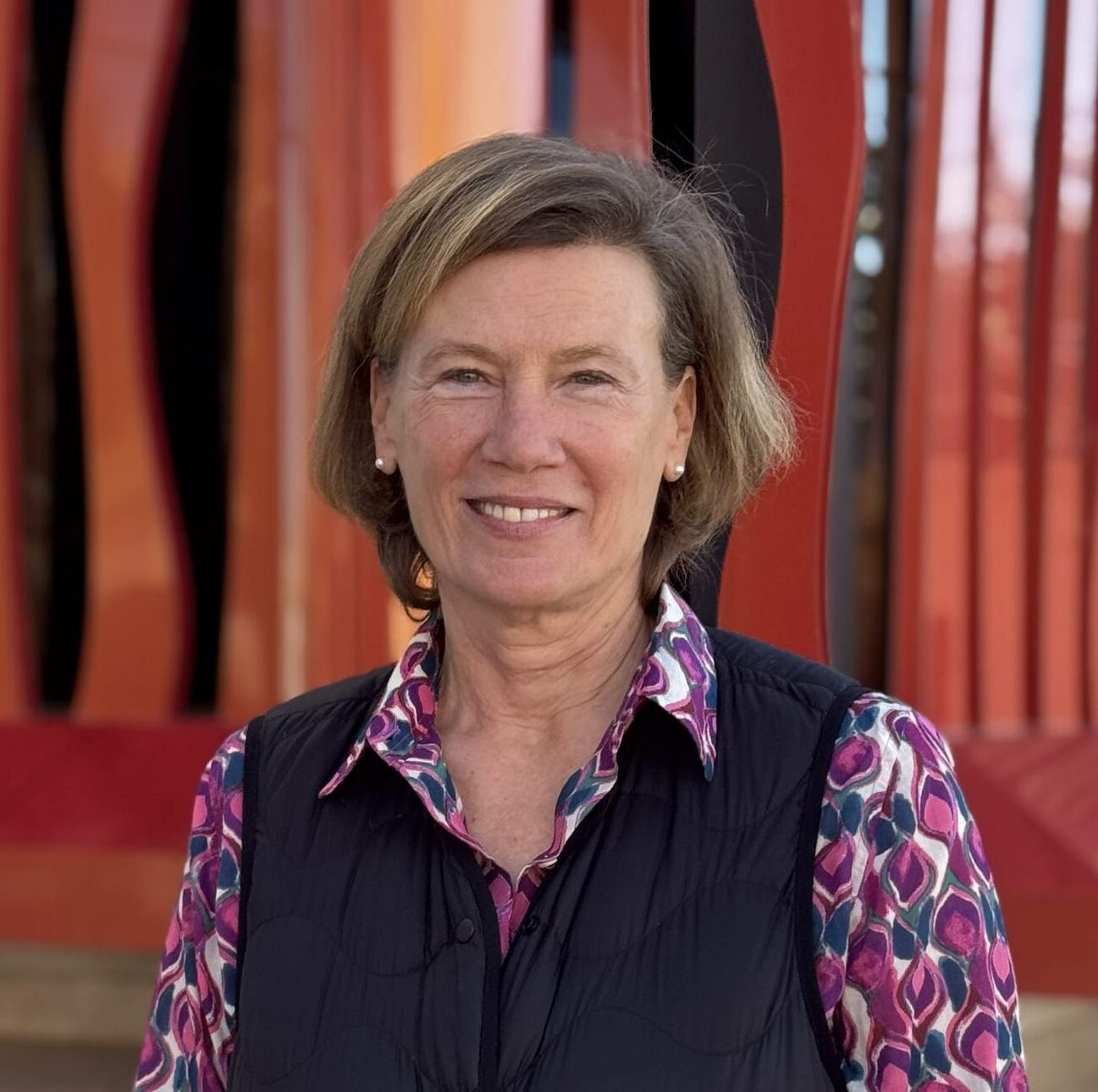
Country Coordinators
Soufiane El Aayadi (IAV Hassan II), Néné Dia Ndiaye (UCAD)
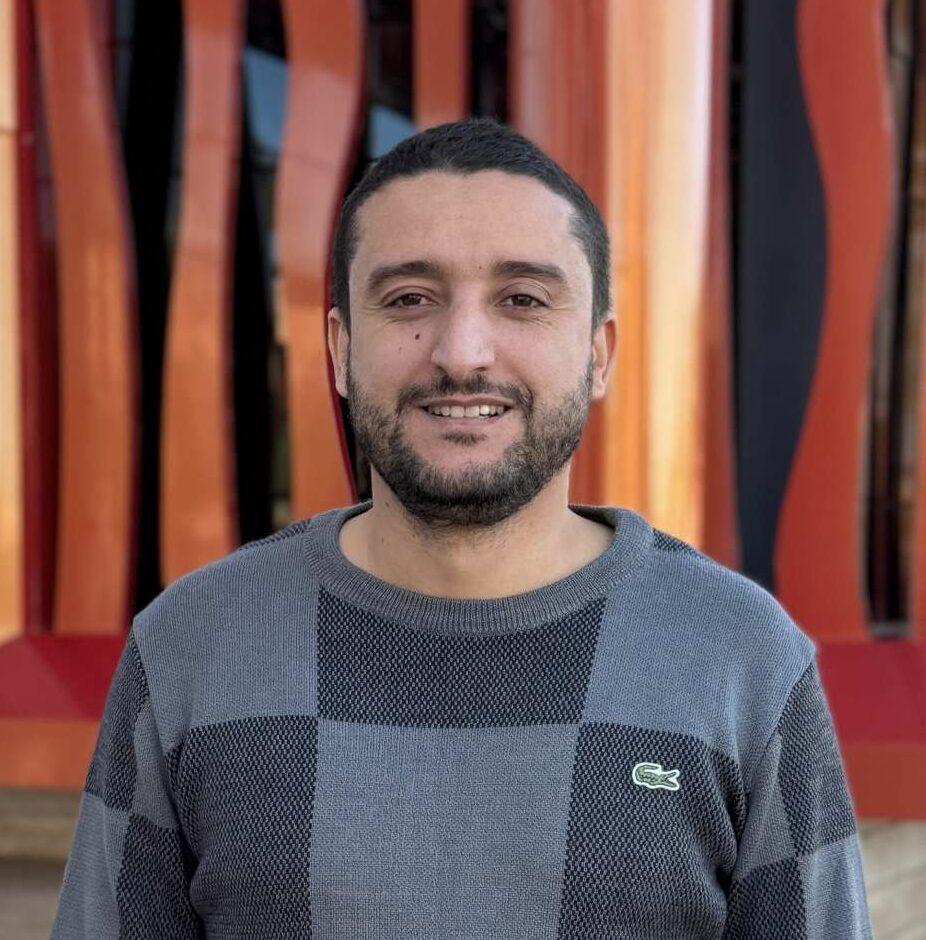
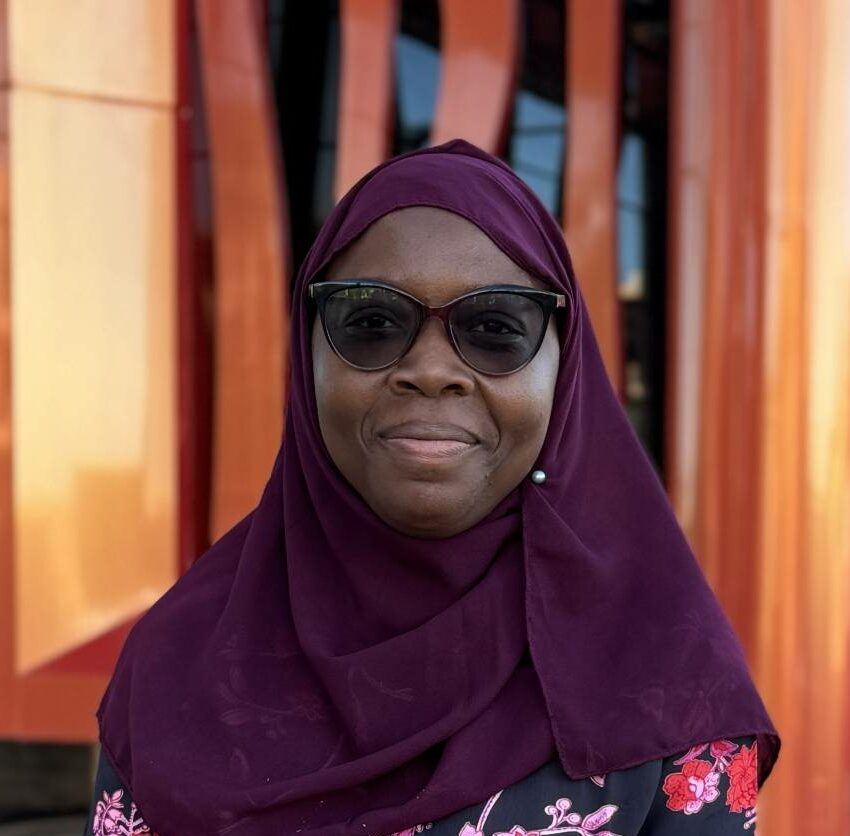
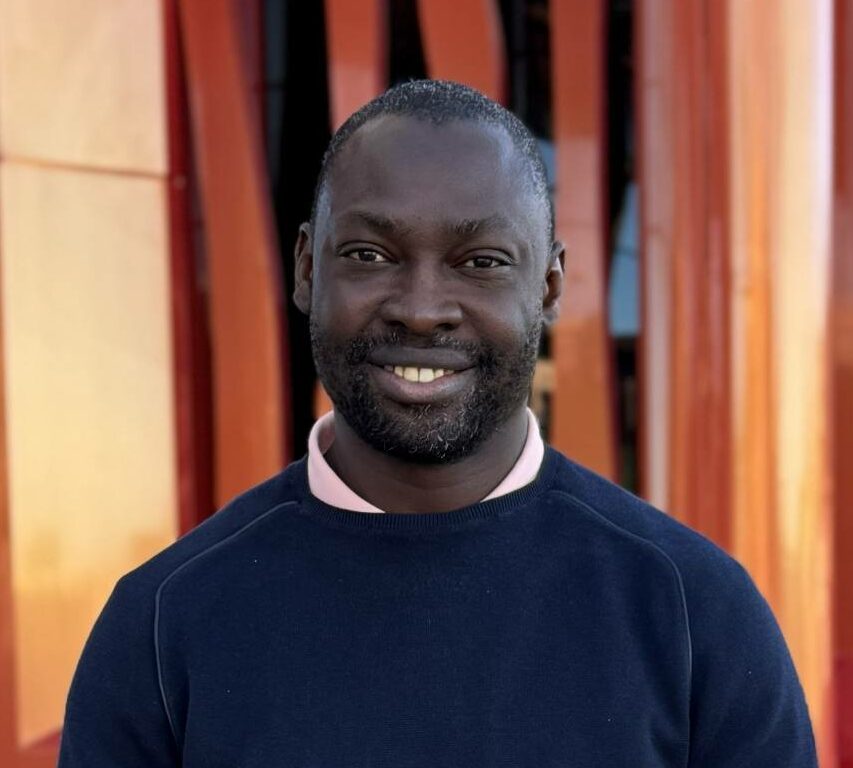
PhD Researchers
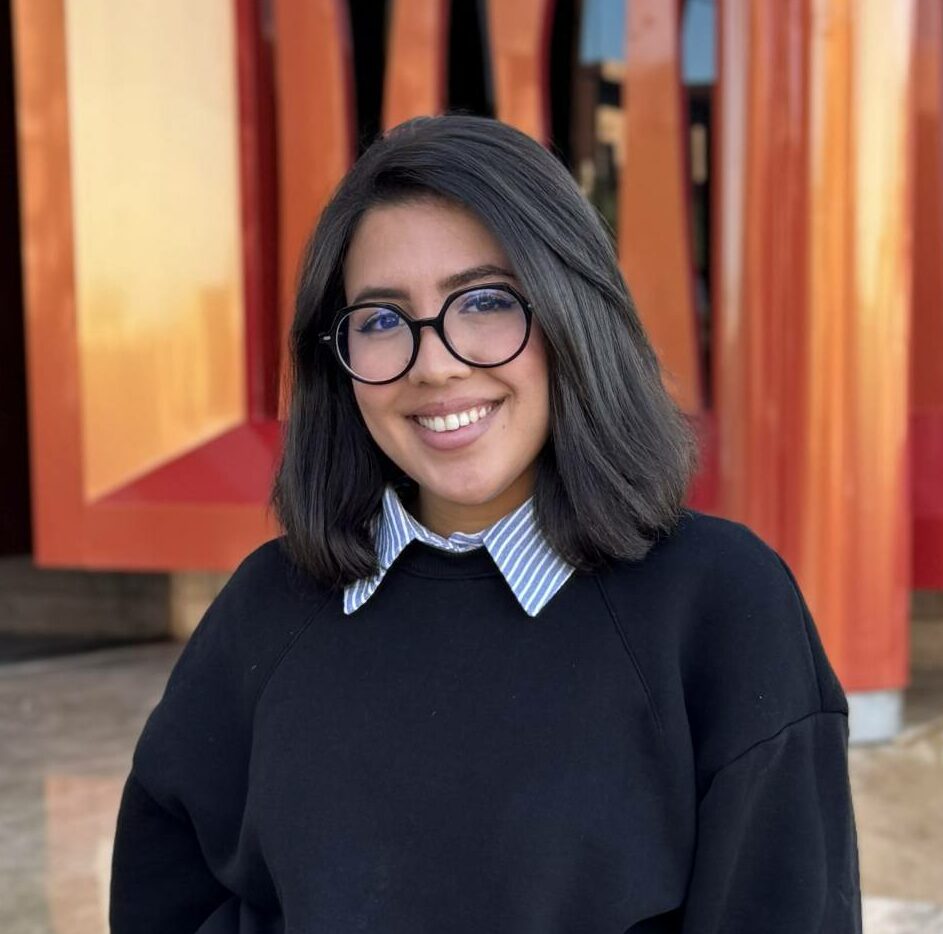
Maroua Dahbi (Morocco), Anta Betty Kanteye (Senegal)
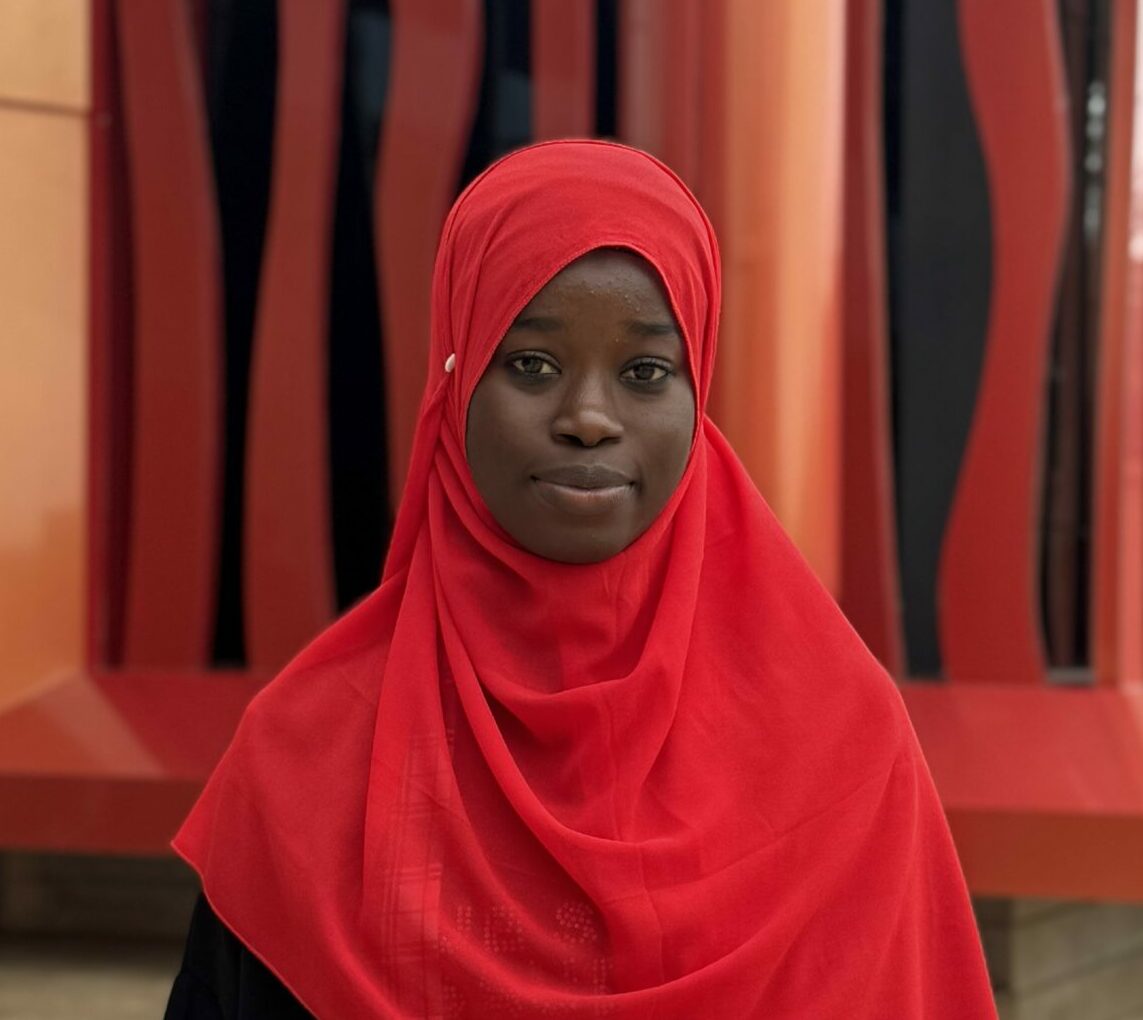
Description
Population group and case-countries: Pastoralists in Senegal and Morocco
WP 7 aims to co-develop, strengthen, and assess K∞A chains and resilience strategies of pastoralists in relation to their experienced climate-related and intersecting threats and uncertainties. Pastoralism is a livestock system based on seasonal transhumance, particularly in arid and less fertile lands. Despite the long tradition of pastoral populations adapting their transhumance routes and other strategies in response to fluctuating availability of water and biomass (Mazzucato, V. and Niemeijer (2002)), this sector is struggling with rapid changes in the environment, linked to climate change. The effects of climate change result in unpredictable seasons, temperature increase, decreases in water quantity and quality, pasture degradation, declines in animal productivity, and increases in livestock diseases (Bèye A., Diop W., Dia Ndiaye N. (2019)). These conditions put pastoralists’ adaptation strategies under stress and make it difficult for them to plan transhumance routes (when and where to move) or the timing of livestock pregnancy (Boas, I. (2022)). Climate-related effects are compounded by their interrelation with socioeconomic and political factors. For example, increased insecurity in neighbouring countries has caused frequent restrictions on the movement of herds and pastoralists between and within West and North African countries. Climate information provided by the national meteorological agency or development projects could contribute to the decision-making of pastoral communities regarding their transhumance routes and animal husbandry. While some on-the-ground initiatives currently attempt to link pastoralists with such data, these data are too low-resolution to provide useful localized information for pastoralists to use, and some pastoralists remain outside these circuits of data sharing.
Work Package 8
Displaced Populations’ Weather- and Climate-Related K∞A Networks
Leaders
Sonja Fransen (ISS), Carolien Jacobs (Leiden University)
Country Coordinators
Patrick Milabyo (ISDR-Bukavu); Paul Mukwaya (Makerere University)
PhD Researchers
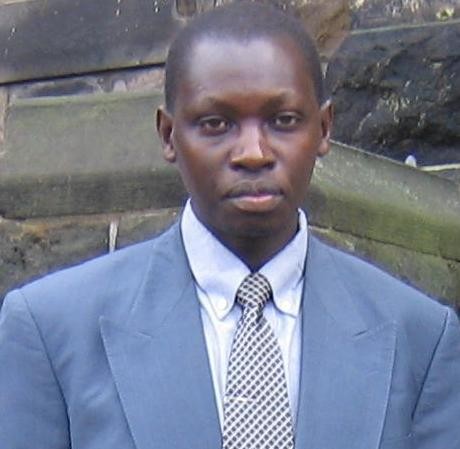
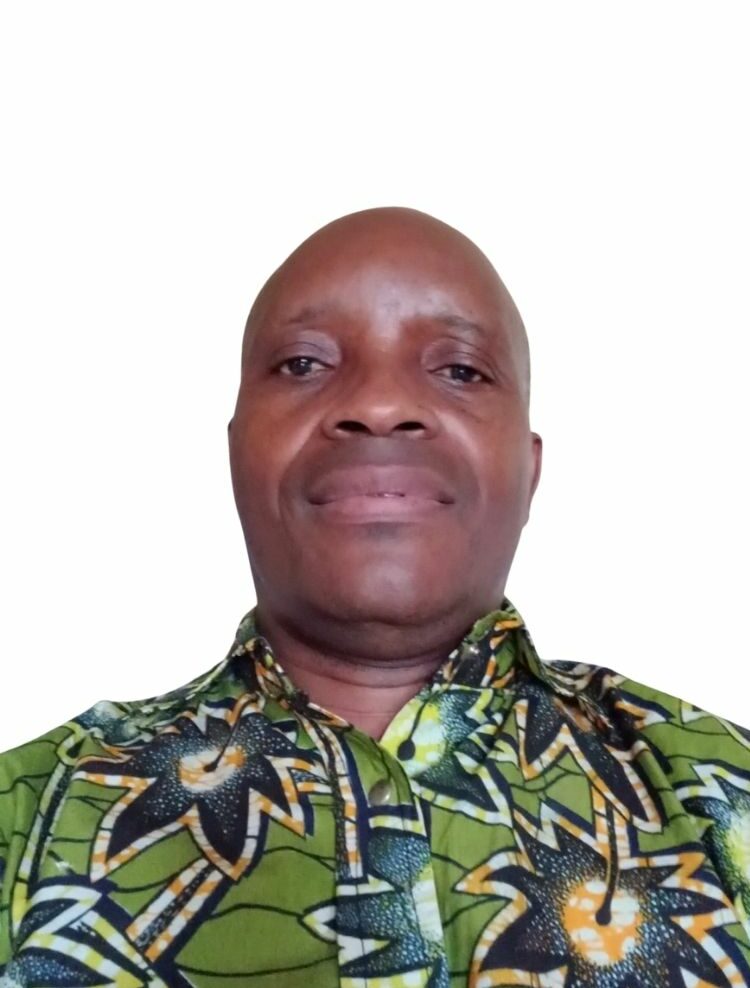
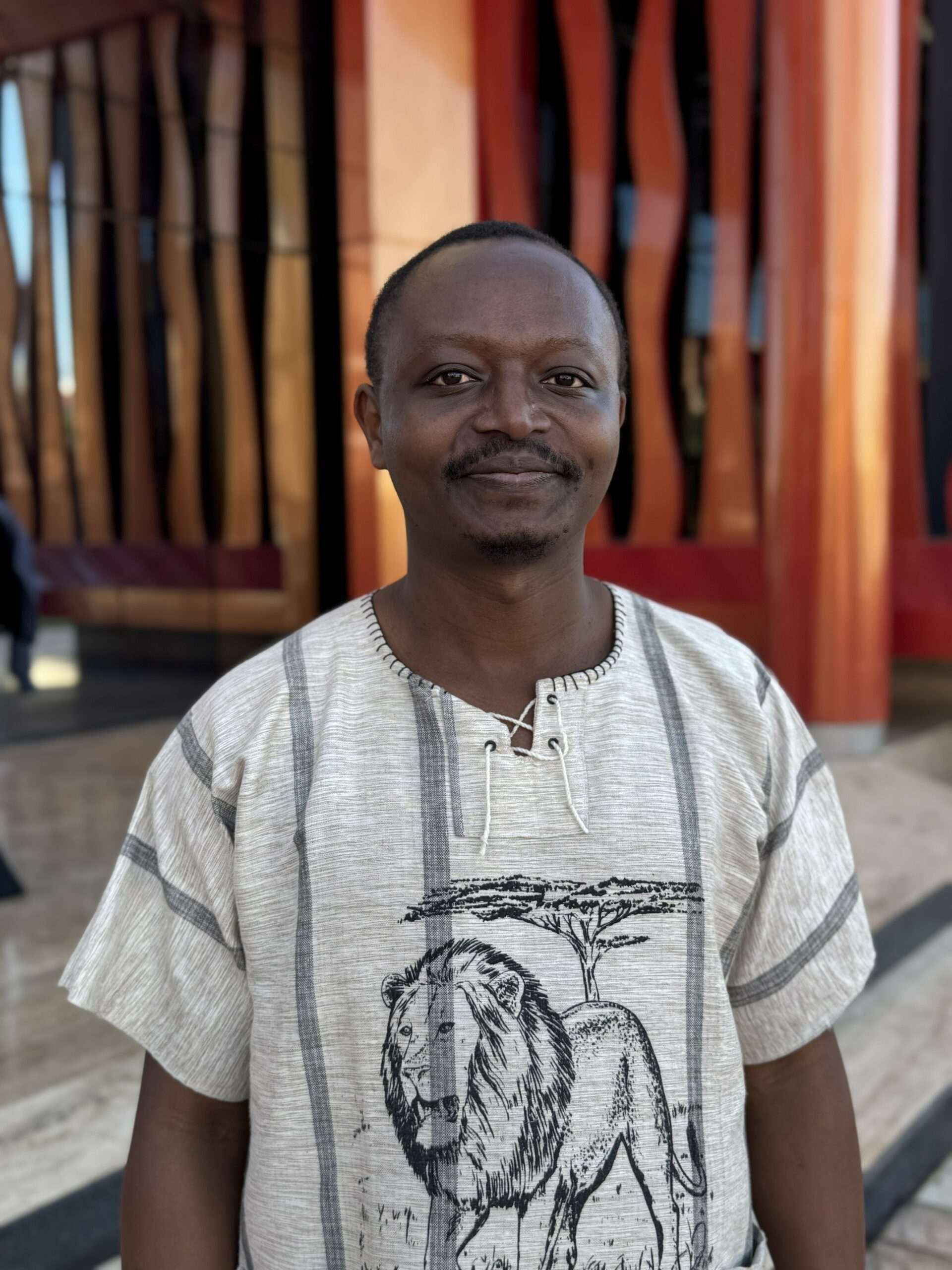
Alfred Mukengere (DRC), Teddy Kisembo (Uganda)
Description
Population group and case-countries: Displaced populations in Uganda and DRC
WP 8 aims to co-develop, strengthen, and assess K∞A chains and resilience strategies of displaced people in relation to their experienced climate-related and intersecting threats and uncertainties. Although awareness about displaced people’s vulnerability in relation to climate change is rising, attention is mostly on climate change as a driver of displacement; how climate change affects displaced people in their new areas of residence is often ignored. The world’s largest refugee settlements, most of which are in Africa, are highly exposed to both slow- and rapid-onset events such as rising temperatures, low levels of precipitation, droughts, and floods (Fransen, S., Werntges, A., Hunns, A., Sirenko, M., & Comes, T. (2024)). Displaced people often have limited capacities to anticipate, cope with, and adapt to weather extremes and hazards. Climate hazards are therefore a critical obstacle in displaced peoples’ trajectories towards resilience, deepen marginalization and vulnerability, and strain relationships with host communities.
Work Package 9
Climares Academy
Leader
Sonja Fransen (ISS)
Participating Consortium Partners
All
Description
Organization: The CA is a learning and reflection space for consortium members ranging from PhD candidates to senior researchers, as well as societal partners and will be active for the duration of the project. The CA will offer day-long online meetings every Friday throughout project period, as well as three intensive face-to-face meetings in the Netherlands or in one of the participating countries (to be decided).
Work Package 10
Accountability, Ethics, Safety, and Security
Leader
Rodrigo Mena Fluhmann (ISS)
Members
Chaya Raghoenath (ISS), Veronika Goussatchenko (ISS), Erika Marques (ISS)
Participating Consortium Partners
All
Description
WP 10 ensures that the project implementation complies with the Dutch and relevant international framework regarding the project financial administration, subcontracting oversight, monitoring and evaluation of project progress, safety and security considerations, and training implementation. It also ensures activities are executed within planning and comprehensively reported to NWO. WP 10 creates a two-way information exchange between the project office and the project governance bodies and works with other consortium leaders to enhance operational efficiency and ensure adherence to regulatory standards throughout the project lifecycle. It will establish close working relationships with the legal, financial, and administrative counterparts of Consortium Partners.